Pascal * Second
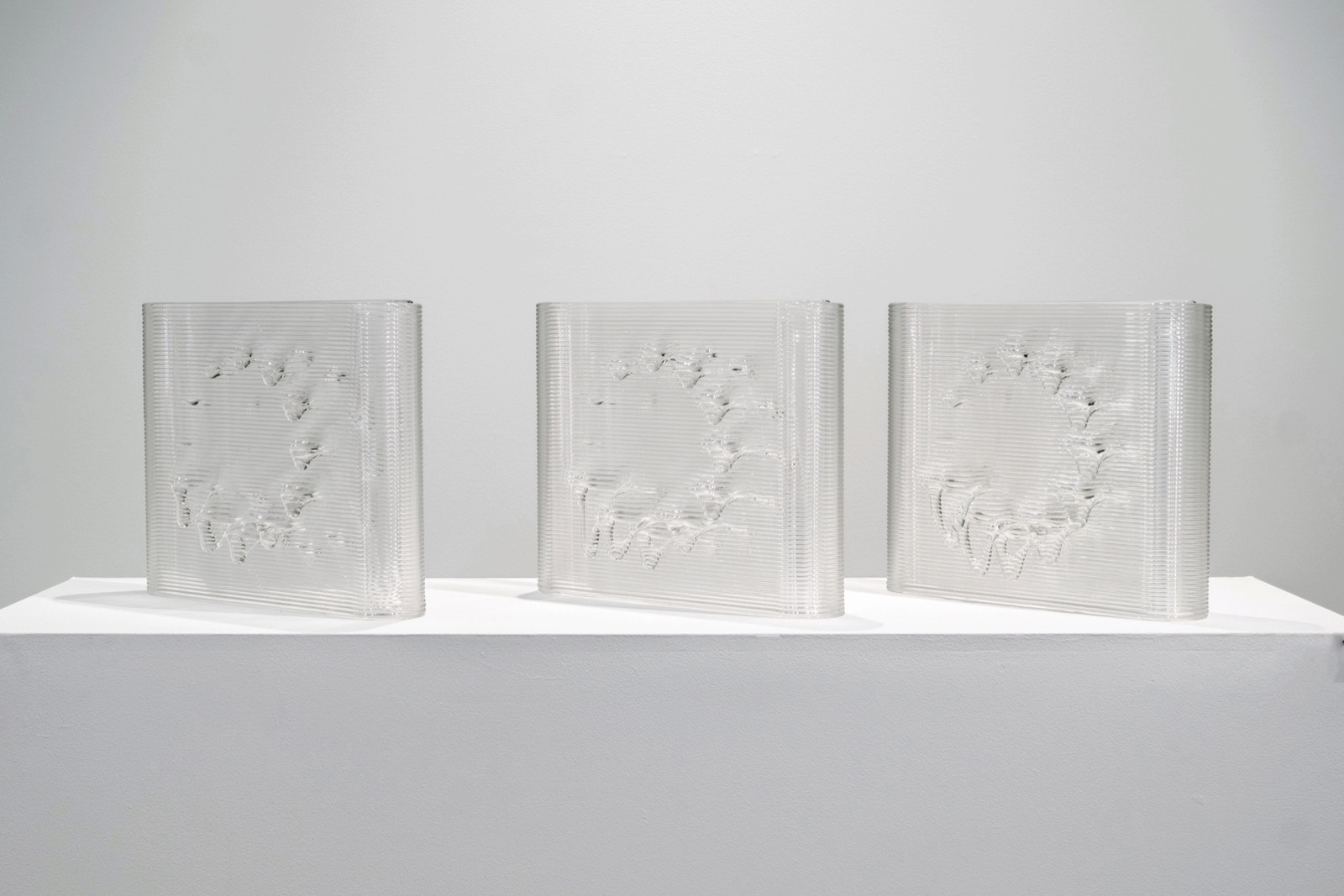
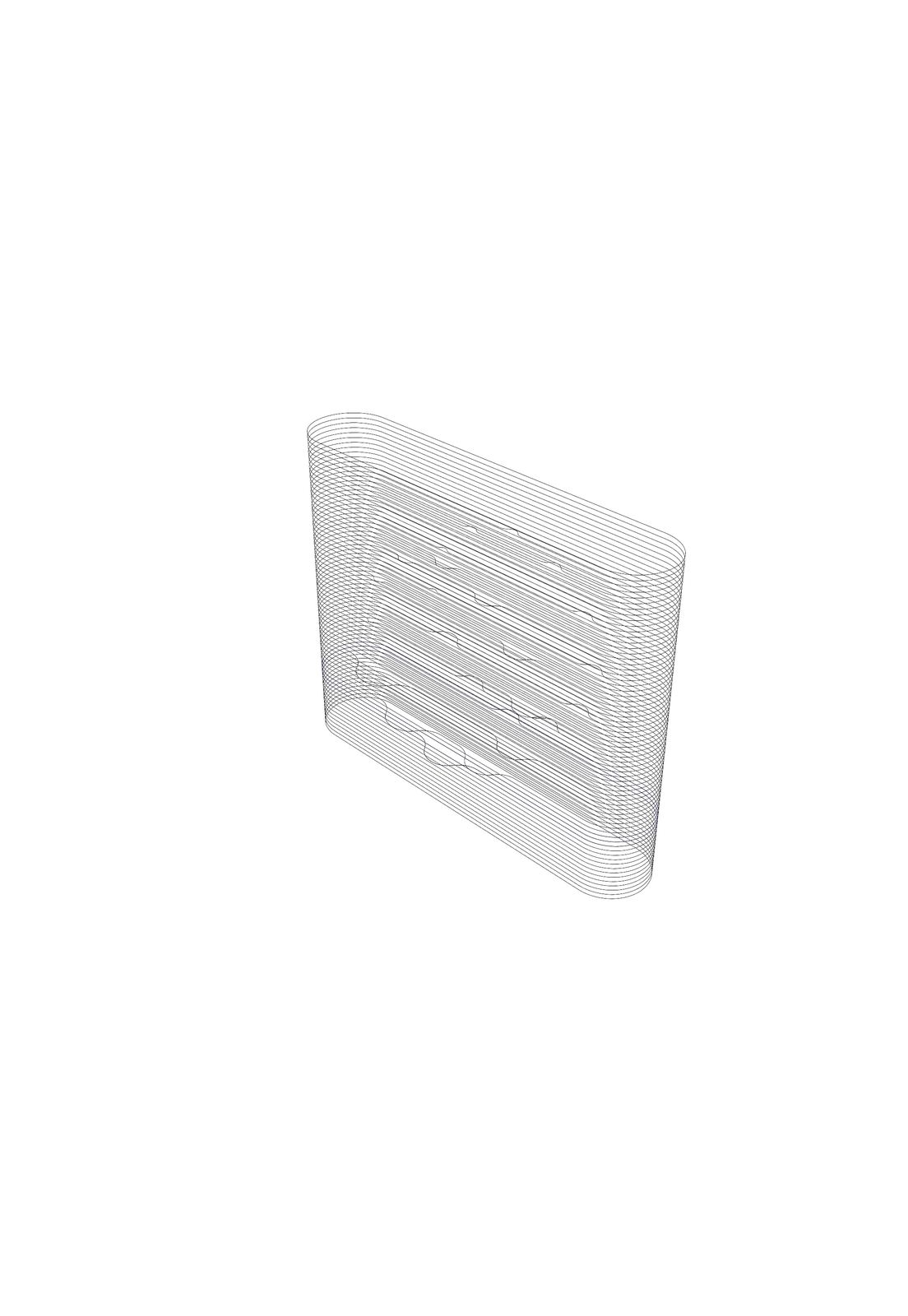
The nozzle moves away over nothing. The glass drips. It finds its place. The printer and I learn about the other. What does intent look like? The code and the output diverge. The outcome and what I imagine begin to converge.
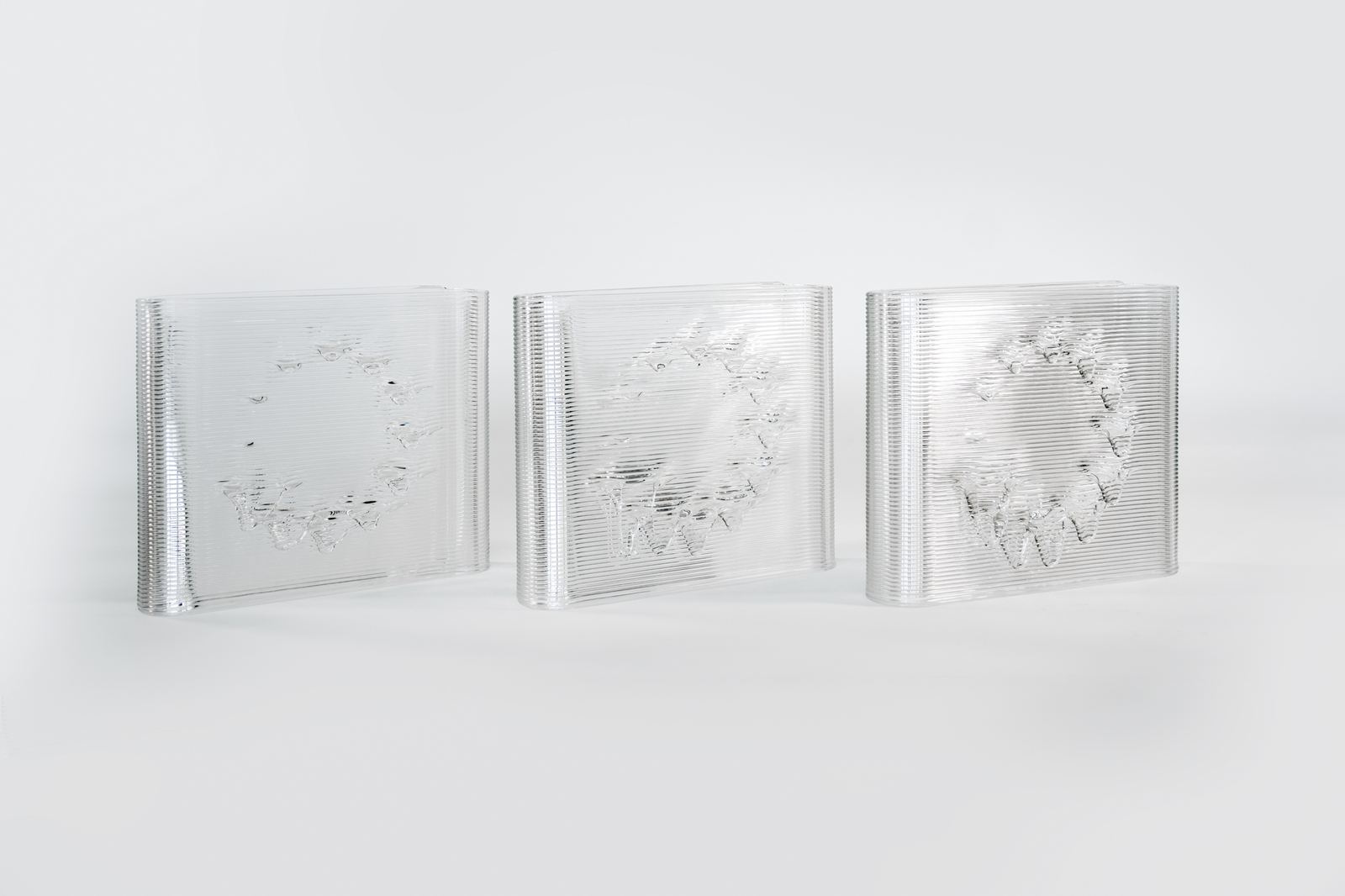
How does viscosity affect printing? As glass makers, we often describe glass as short or long. When we blow glass we can feel this: how long does it take to stop moving? How often do I have to reheat it? A glass blower always uses a tool to manipulate the glass — the printer has become one of those tools for me, albeit one with very steady hands. In Pascal * Second I've changed the temperature, and therefore the viscosity, of the glass and printed the same object each time. We can then see the effect of higher temperature and lower viscosity on how the object takes shape.

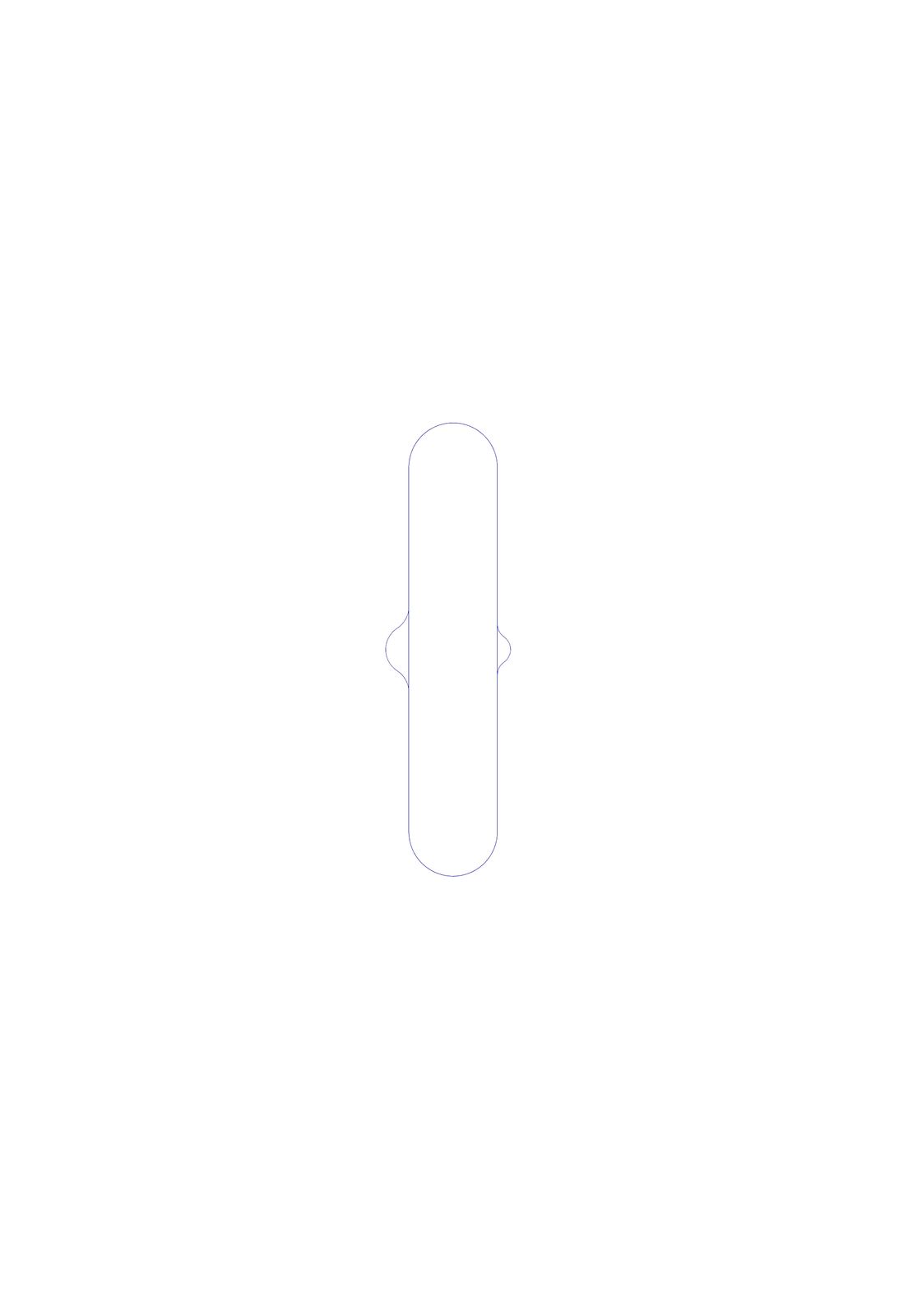
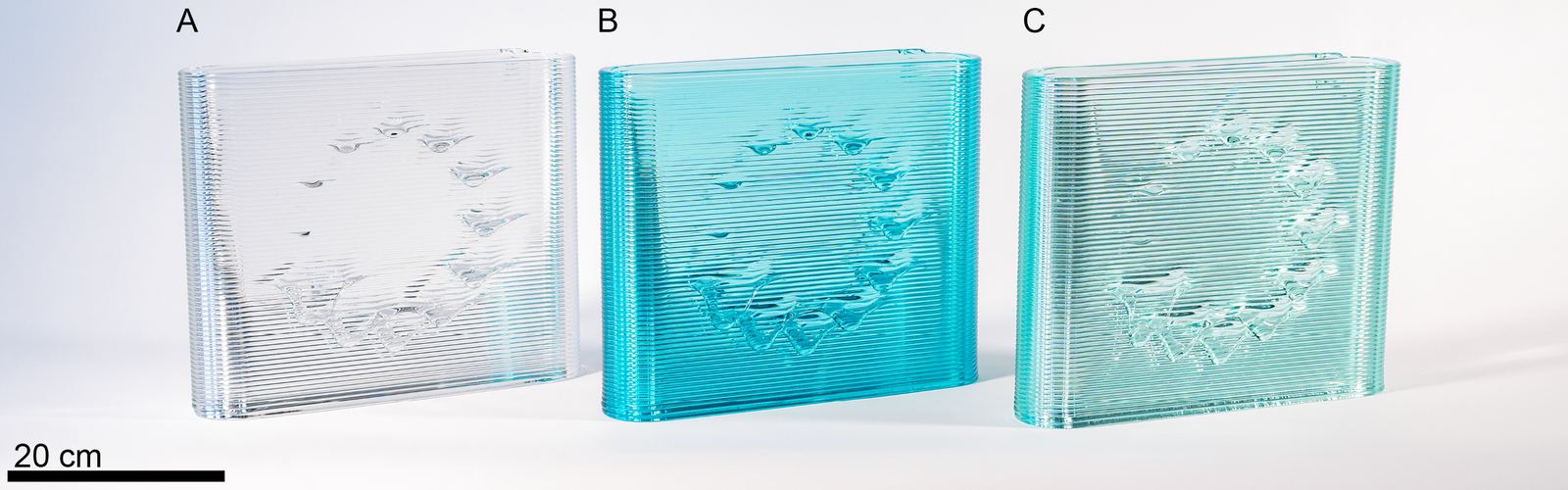
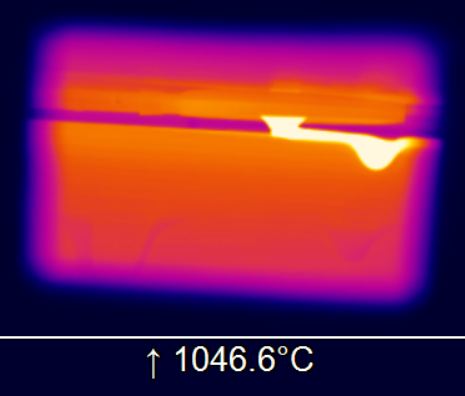
The printer holds glass at more than 2000°F. It flows out through a ceramic nozzle, one line at a time. I write the path it follows: where to go, how fast, how hot. The nozzle traces that path, leaving a bead of glass behind it, and the object grows layer by layer.
When a print is done, we cut it free from the stream. It comes off the machine close to 900°F and goes into another chamber to cool overnight.
None of this replaces glassblowing. It builds on it. People have been forming glass for thousands of years. This is one more way to do it: material, machine, and the person running both.